Showing posts with label weather. Show all posts

Sunday, June 21, 2015

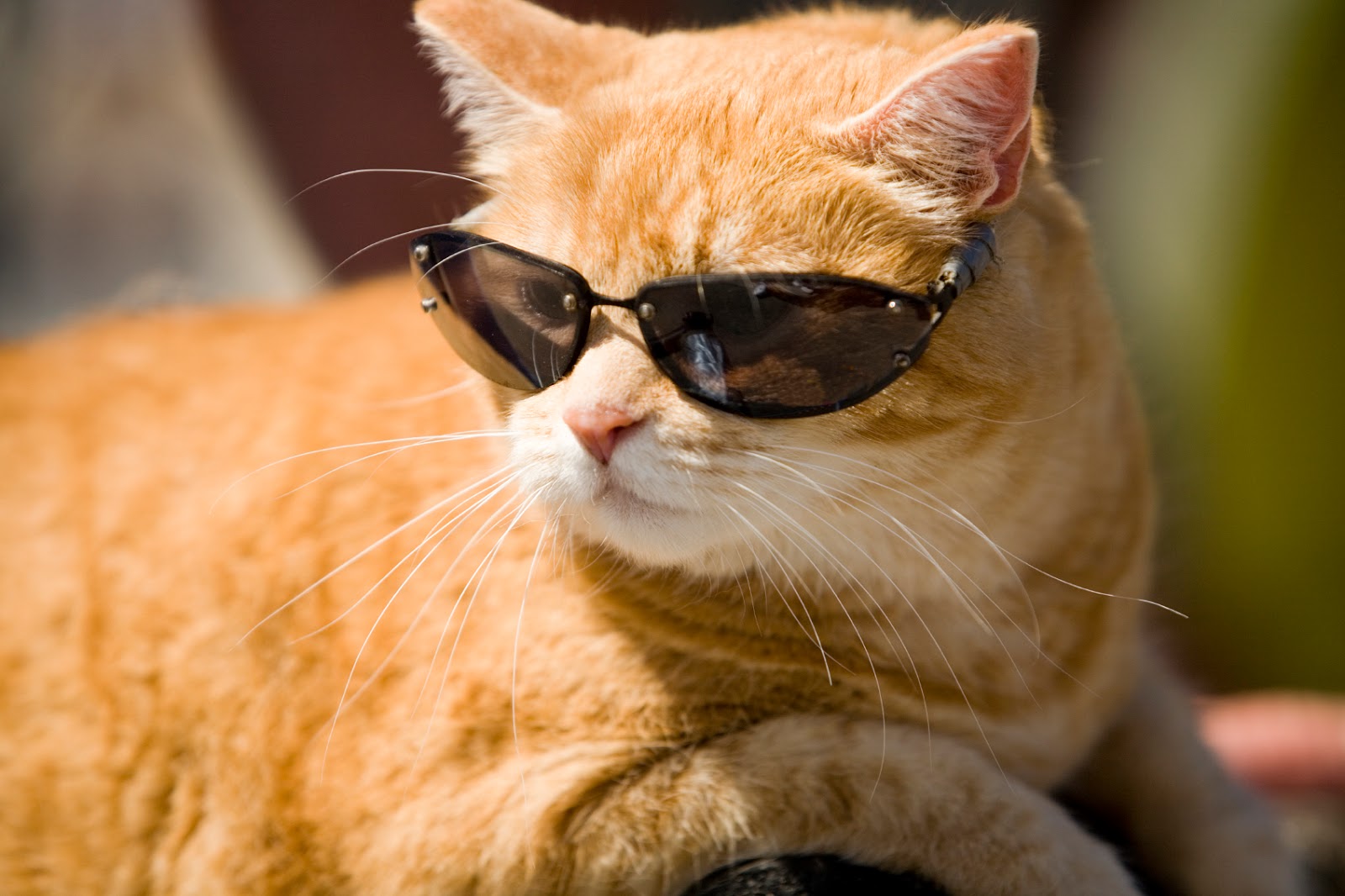
Keep Your Cat Safe in a Heat Wave

The temperature is soaring, and it’s only going to get hotter. Make sure you know how to keep your cat safe in the summer heat.


  1. Watch out for heatstroke. Symptoms include panting, lethargy, drooling, fever, vomiting and collapse. If you think your cat may have heatstroke, get the vet ASAP — the condition can cause permanent organ damage and death. Learn more about heatstroke in pets.
  2. Offer your cat several ways to cool off. Leave a fan on in a place where your cat can sit in front of it, add some ice cubes to her water or offer her a cool treat (check out our recipe for catsicles.)
  3. Let your cat find cool spots in the house. Your cat will seek out the cooler parts of your home, so make sure she has access to areas with tile floors or rooms that don’t get much sun.
  4. Play in the morning or evening. Any exercise should take place during the cooler hours of the day. This is especially important for young kittens and seniors, both of whom are very vulnerable to heatstroke. (If your cat has just eaten, make sure you give her some time to digest before you begin playtime.)
  5. Brush your cat often. A well-groomed, tangle-free coat will help keep your cat cool. (Learn more about grooming your cat.)

Article originally published by PetFinder.

Wednesday, August 13, 2014

Three Essential Summer Tips For Dogs


It's summertime and the living is easy, but summer fun also brings some inherent dangers to be aware of. Dog owners need to take extra responsibility to make sure their pup is safe when temperatures heat up and outdoor activity beckons. Everyone knows you should never leave a dog in a hot car, but it's also important to be aware that your pup can get heatstroke while they're outside.

Heat Hazards 
If your dog is outside on a hot day, make sure he has a shady spot to rest in. Doghouses are not good shelter during the summer as they can trap heat. You may want to fill a child's wading pool with fresh water for your dog to cool off in. Never leave your dog in a closed vehicle on a hot day. The temperature inside a car can rise to over 100 degrees in a matter of minutes. Always provide plenty of cool, fresh water. Avoid strenuous exercise on extremely hot days. Take walks in the early mornings or evenings, when the sun's heat is less intense. Try to avoid prolonged exposure to hot asphalt or sand, which can burn your dog's paws. Dogs that are brachycephalic (short-faced), such as Bulldogs, Boxers, Japanese Chins, and Pekingese, have an especially hard time in the heat because they do not pant as efficiently as longer-faced dogs. Keep your brachycephalic dog inside with air-conditioning. Lisa and I just got back from visiting our friends in Wilmington, N.C. where we were lucky enough to spend a few glorious days boating and going to the beach. You would be amazed at how many boating dogs there were, it seemed everywhere I looked there was a dog on a boat. While on the beach an endless number of dogs were running, playing, and splashing around. So, next I thought it would be a good idea to go over some safety tips for those planning on taking Fido to the beach.

Beach Tips 
Make sure your dog has a shady spot to rest in and plenty of fresh water. Dogs, especially those with short hair, white fur, and pink skin, can sunburn. Limit your dog's exposure during the day and apply sunblock to his ears and nose 30 minutes before going outside. Check with a lifeguard for daily water conditions. Dogs are easy targets for sea lice and jellyfish. Running on the sand is strenuous exercise. A dog that is out of shape can easily pull a tendon or ligament, so keep a check on your dog's activity. Do not let your dog drink seawater; the salt will make him sick. Salt and other minerals in ocean water can damage your dog's coat, so rinse him off at the end of the day. Not all beaches permit dogs; check local ordinances before heading out. Since we're talking about the beach this naturally leads us to our final tip, water safety. Remember, while you may enjoy swimming, your dog may not. For those that do, it's important they are not allowed to swim without supervision. It sounds obvious, but every year dogs drown due to owner negligence.

Water Safety
 Most dogs enjoy swimming, but some cannot swim, and others may hate the water. Be conscious of your dog's preferences and skills before trying to make him swim. If you're swimming for the first time with your dog, start in shallow water and coax him in by calling his name. Encourage him with toys or treats. Or, let him follow another experienced dog he is friendly with. Never throw your dog into the water. If your dog begins to paddle with his front legs, lift his hind legs and help him float. He should quickly catch on and keep his back end up. Don't let your dog overdo it; swimming is very hard work and he may tire quickly. If swimming at the ocean, be careful of strong tides. If you have your own pool, make sure your dog knows where the stairs or ladder are located. Be sure that pool covers are firmly in place; dogs have been known to slip in under openings in the covers and drown. Never leave your dog unattended in water. Summer is the time when ticks and fleas are out in full force, it's important that your pets be treated. If you're not sure about what to use contact your veterinarian for advice. Dogs can also have more allergies in the summer so you need to be aware of the signs so you can seek proper treatment. Lastly, with more outdoor activities comes more accidents. Knowing how to care for your dog in case of an emergency can potentially save his or her life. Source: http://www.dogster.com/the-scoop/three-essential-summer-tips-for-dogs

Thursday, June 5, 2014

Hot Weather Pet Safety

We all love spending the long, sunny days of summer outdoors with our furry companions, but being overeager in hot weather can spell danger, ASPCA experts warn. "Most people love to spend the warmer days enjoying the outdoors with friends and family, but it is important to remember that some activities can be dangerous for our pets," said Dr. Camille DeClementi, Senior Toxicologist at the ASPCA's Animal Poison Control Center. "By following a few simple rules, it is easy to keep your pet safe while still having fun in the sun." 

Take these simple precautions, provided by ASPCA experts, to help prevent your pet from overheating. And if you suspect your pet is suffering from heat stroke, get help from your veterinarian immediately. 

 Visit the Vet
 A visit to the veterinarian for a spring or early summer check-up is a must. Make sure your pets get tested for heartworm if they aren't on year-round preventive medication. Do parasites bug your animal companions? Ask your doctor to recommend a safe flea and tick control program. Made in the Shade Pets can get dehydrated quickly, so give them plenty of fresh, clean water when it's hot outdoors. Make sure your pets have a shady place to get out of the sun, be careful to not over-exercise them, and keep them indoors when it's extremely hot. 

 Know the Warning Signs 
 Symptoms of overheating in pets include excessive panting or difficulty breathing, increased heart and respiratory rate, drooling, mild weakness, stupor or even collapse. They can also include seizures, bloody diarrhea and vomit along with an elevated body temperature of over 104 degrees. Animals with flat faces, like Pugs and Persian cats, are more susceptible to heat stroke since they cannot pant as effectively. These pets, along with the elderly, the overweight, and those with heart or lung diseases, should be kept cool in air-conditioned rooms as much as possible. No Parking! 

Never leave your animals alone in a parked vehicle.
 "On a hot day, a parked car can become a furnace in no time-even with the windows open-which could lead to fatal heat stroke," says Dr. Louise Murray, Vice President of the ASPCA Animal Hospital. Also, leaving pets unattended in cars in extreme weather is illegal in several states. 

Make a Safe Splash 
Do not leave pets unsupervised around a pool-not all dogs are good swimmers. Introduce your pets to water gradually and make sure they wear flotation devices when on boats. Rinse your dog off after swimming to remove chlorine or salt from his fur, and try to keep your dog from drinking pool water, which contains chlorine and other chemicals that could cause stomach upset. Screen Test "During warmer months, the ASPCA sees an increase in injured animals as a result of High-Rise Syndrome, which occurs when pets-mostly cats-fall out of windows or doors and are seriously or fatally injured," says Dr. Murray. "Pet owners need to know that this is completely preventable if they take simple precautions." Keep all unscreened windows or doors in your home closed and make sure adjustable screens are tightly secured. 

 Summer Style 
Feel free to trim longer hair on your dog, but never shave your dog: The layers of dogs' coats protect them from overheating and sunburn. Brushing cats more often than usual can prevent problems caused by excessive heat. And be sure that any sunscreen or insect repellent product you use on your pets is labeled specifically for use on animals. Street Smarts When the temperature is very high, don't let your dog linger on hot asphalt. Being so close the ground, your pooch's body can heat up quickly, and sensitive paw pads can burn. Keep walks during these times to a minimum. 

 Avoid Chemicals 
 Commonly used flea and tick products, rodenticides (mouse and rat baits), and lawn and garden insecticides can be harmful to cats and dogs if ingested, so keep them out of reach. When walking your dog, steer clear of areas that you suspect have been sprayed with insecticides or other chemicals. Keep citronella candles, oil products and insect coils out of pets' reach as well. Call your veterinarian or the ASPCA Animal Poison Control Center at (888) 426-4435 if you suspect your animal has ingested a poisonous substance. 

 Party Animals 
Taking Fido to a backyard barbeque or party? Remember that the food and drink offered to guests may be poisonous to pets. Keep alcoholic beverages away from pets, as they can cause intoxication, depression and comas. Similarly, remember that the snacks enjoyed by your human friends should not be a treat for your pet; any change of diet, even for one meal, may give your dog or cat severe digestive ailments. Avoid raisins, grapes, onions, chocolate and products with the sweetener xylitol. 

 Fireworks Aren't Very Pet-riotic Please leave pets at home when you head out to Fourth of July celebrations, and never use fireworks around pets. Exposure to lit fireworks can potentially result in severe burns or trauma to curious pets, and even unused fireworks can be hazardous. Many types of fireworks contain potentially toxic substances such as potassium nitrate, copper, chlorates, arsenic and other heavy metals. 


 Source: http://www.aspca.org/pet-care/hot-weather-tips